When left untreated, a hernia can cause serious health complications, such as infection or loss of blood to the intestine. Treatment for a hernia typically involves surgical repair – which means abdominal surgery. Dr. Repta in Scottsdale has extensive experience in abdominal reconstruction and repair and in treating a range of hernia types, which may be performed in combination with tummy tuck surgery. For hernia surgery in Scottsdale, Dr. Repta comes very highly recommended.
What Is Hernia?
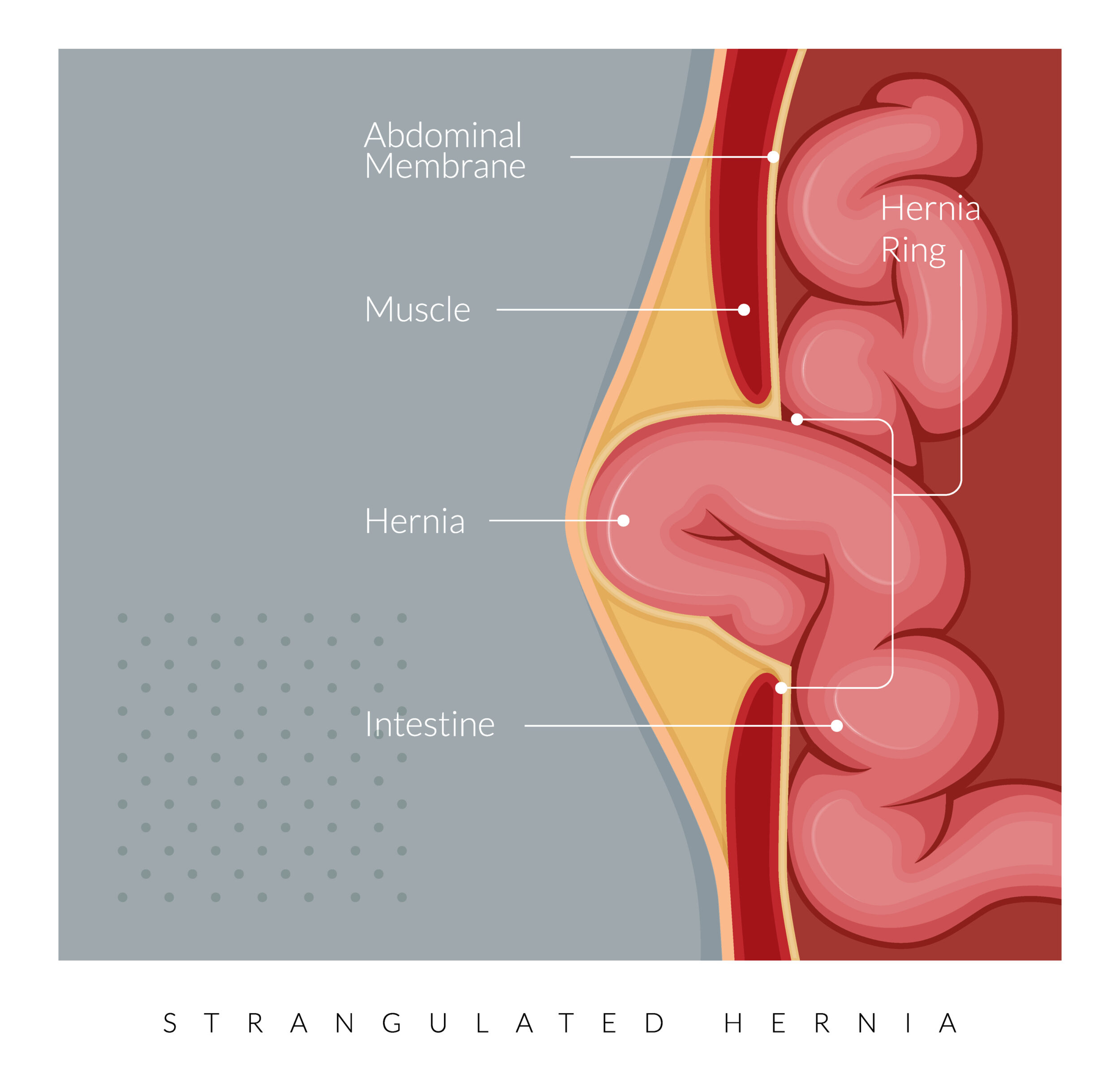
A hernia is a protrusion of an organ through the wall of the cavity where it is normally contained. It occurs when a weak area in the surrounding muscle or connective tissue allows an organ or fatty tissue to squeeze through. For most types of hernias, surgical repair is usually required to prevent complications.
What are the Symptoms of a Hernia?
The most common symptom of a hernia is a bulge in the area. A hernia can usually be more easily felt when you are standing up, coughing, or bending down. Other possible symptoms include:
- Burning or aching sensation at the site of the bulge
- Weakness, pressure, or a feeling of heaviness in the abdomen
- Pain or discomfort, usually in the lower abdomen and particularly while coughing, bending over, or lifting
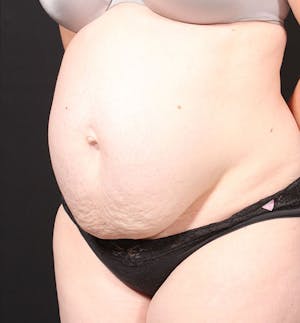
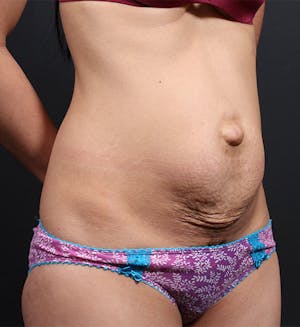
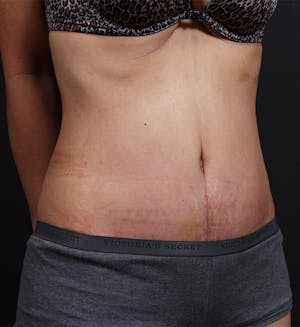
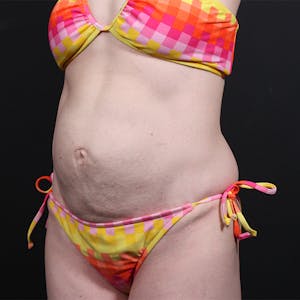
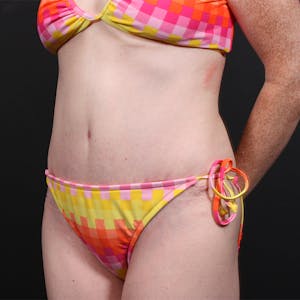
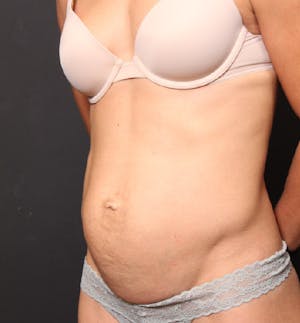
Hernia Repair Before & After

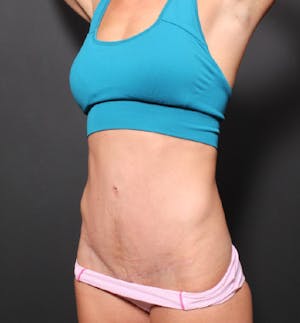
What Causes a Hernia?
Hernias are caused by a combination of two factors:
- Pressure
- An opening or weakness in the muscle or surrounding connective tissue
Pressure pushes the tissue or organ through the opening or weak area.
Muscle weakness may be present at birth or develop later in life. Smoking, poor nutrition, and obesity can weaken muscles and make a person more susceptible to developing a hernia. Anything that increases pressure in the abdomen can lead to a hernia, including:
- Heavy lifting without stabilizing the abdominal muscles
- Persistent sneezing or coughing
- Constipation or diarrhea
Types of Hernias
A hernia occurs when pressure causes an organ or fatty tissue to squeeze through a weak spot in the surrounding muscle or fascia (connective tissue). The following are several common types of hernias.
Ventral Hernia
A ventral hernia is a bulge through an opening in the abdominal muscles. This type of hernia can occur above the navel, at a past incision site, or at another weak abdominal muscle site. Symptoms include pain or pressure and a visible bulge on the abdomen, particularly with straining or coughing. Dr. Repta specializes in performing ventral hernia repair in Scottsdale.
Diastasis Recti
You may have diastasis recti if you still look pregnant months after giving birth. This condition occurs when the rectus abdominis (six-pack) muscles in the abdomen separate, leaving a gap that allows the belly to pooch out. The rectus abdominis are the pair of long, flat muscles running vertically down the abdomen that hold in the internal organs and stabilize the core.
Incisional Hernia
With an incisional hernia, the intestine pushes through the abdominal wall at a previous surgical site. This type of hernia is most common among people who are inactive after abdominal surgery. A protrusion of tissue forms at the site of the healing abdominal scar. The bulge of an incisional hernia is most evident when standing upright or performing physical activity such as lifting.
Umbilical Hernia
When a portion of the intestine breaks through the umbilical opening in the abdominal muscles, an umbilical hernia forms. This type of hernia is most often seen in infants, but also affects adults, particularly post-pregnancy women. An umbilical hernia is basically an “outie” belly button. Dr. Repta performs some of the best umbilical hernia surgery Scottsdale has to offer.
Inguinal Hernia
This type of hernia develops when either the bladder or the intestine protrudes into the inguinal canal in the groin or through the wall of the abdomen. Inguinal hernias account for approximately 96% of all groin hernias, according to WebMD. They most frequently occur in men because of a natural weakness in the area.
Femoral Hernia
Femoral hernias are most common in women, particularly pregnant women or those who are obese. They occur when the intestine pushes into the canal carrying the femoral artery (main artery supplying the leg) into the upper thigh. Although symptoms may go unnoticed with a small femoral hernia, a large hernia can cause a visible bulging in the groin area near the upper thigh that worsens or causes pain while you are standing, lifting, or straining.
Excellence
Why Choose Dr. Repta?
Through intensive training, extensive experience, and sheer drive to excel, Dr. Repta has become a master in the art of abdominal and cosmetic plastic surgery. He co-authored the reference textbook, “Atlas of Abdominoplasty,” used as a comprehensive reference by surgeons all over the globe. He has the experience and surgical skills essential in a surgeon you choose to perform your hernia repair.
Regardless of the type of hernia, hernia surgery in Scottsdale has never been so easy and worry-free.
Dr. Remus Repta

The Procedure
Dr. Repta performs no mesh hernia repair in Scottsdale. Instead of using surgical mesh for reinforcement, he closes and secures the hernia by carefully stitching the abdominal wall tissues together. As this procedure uses nothing more than the body’s own tissues, it can reduce the risk of complications involving rejection by the body of the mesh as a foreign object.
Hernia Mesh Removal
Mesh-related complications are not uncommon after hernia repair using surgical mesh. Complications may include mesh folding, mesh infection, or mesh-related reaction or pain. Dr. Repta has extensive experience performing complex hernia mesh removal in Scottsdale and hernia re-repair.
What Is Recovery Like after Hernia Repair
Hernia repair may be performed laparoscopically, open, or as part of a tummy tuck procedure. Recovery will vary from patient to patient, depending on the type of hernia, the type of procedure performed, and the overall health of the patient. Tummy tuck with hernia repair in Scottsdale is performed on an outpatient basis; however, if you do not have a caregiver at home, you may want to take advantage of a nearby aftercare facility while you recover.
Risks of Hernia Repair Surgery
Hernia surgeries are considered safe, necessary in most cases, and effective, however all surgeries do carry an inherent degree of risk. Seeing an experienced and board-certified surgeon can greatly reduce these risks and ensure you reap the full benefits of your herniorrhaphy or hernioplasty.
The possible complications and risks of hernia surgery include:
- Infection
- Organ or tissue damage
- Constipation and difficulty or inability to urinate
- UTIs (urinary tract infections)
- Kidney problems
- Blood clots, hemorrhaging or internal bleeding
Dr. Repta is a highly experienced hernia surgeon and uses the body’s own tissue to resolve the hernia, reducing the risk of complications where the body rejects the mesh or foreign objects used in other styles of hernia repair surgery.
Can Hernia Repair Be Combined with a Tummy Tuck?
Abdominoplasty (tummy tuck) is frequently combined with hernia repair. Dr. Repta can perform a no mesh hernia repair at the same time as a tummy tuck procedure, depending on the type, location, and extent of the hernia. Schedule a consultation in our office to find out if you are a good candidate for hernia surgery in Scottsdale in combination with a tummy tuck.
Our Scottsdale practice proudly welcomes patients from Mesa, Gilbert, Chandler, Paradise Valley, and surrounding communities seeking personalized plastic surgery and body contouring procedures.